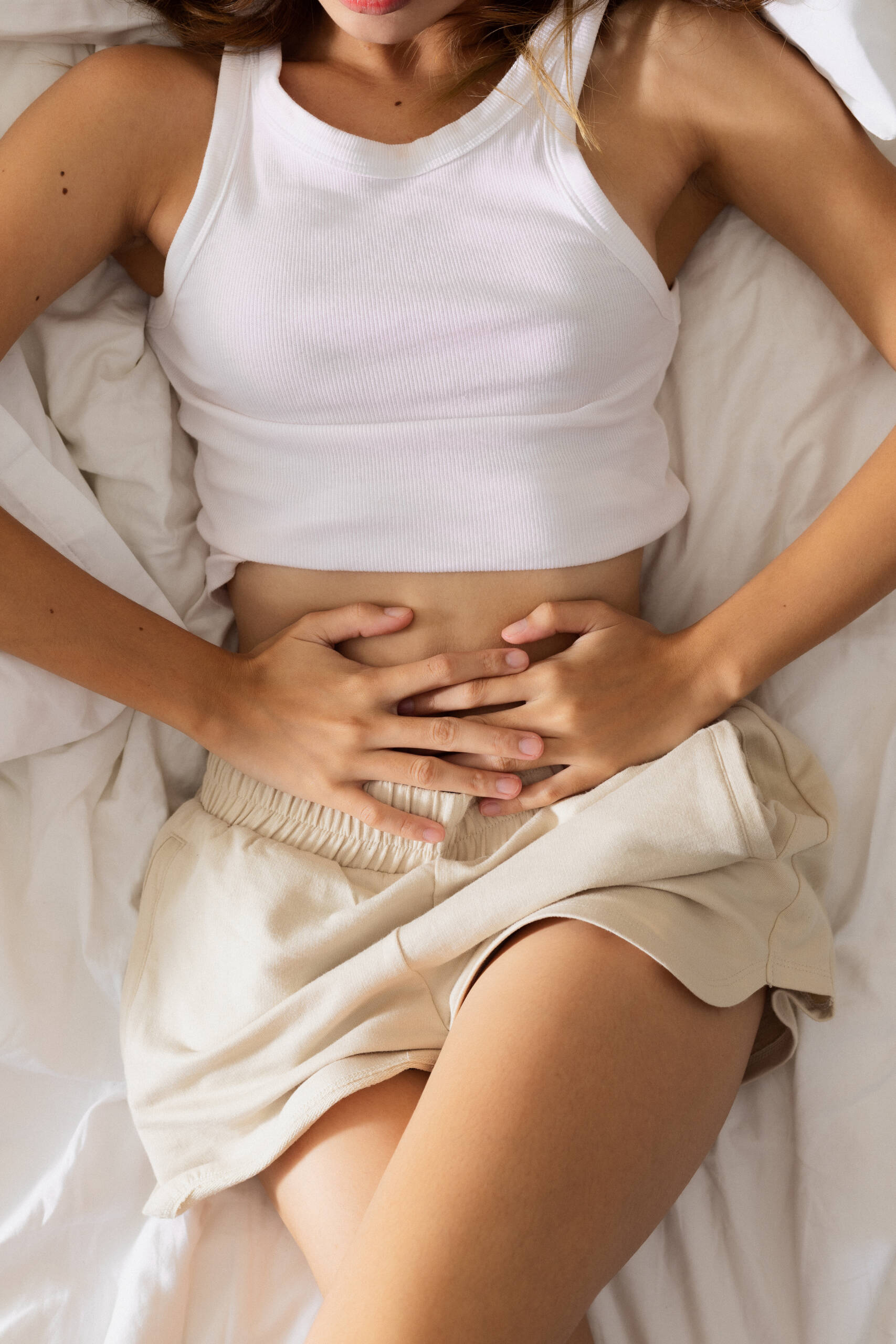
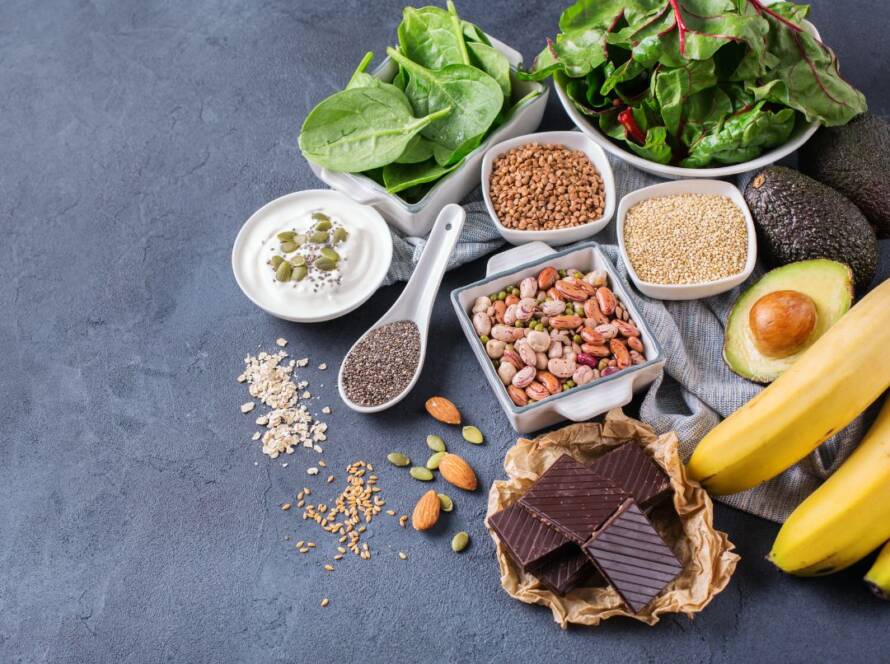
Throughout our lives, females deal with hormonal highs and lows, such as puberty, pregnancy, pre-menstrual syndrome (PMS), perimenopause, menopause and post menopause ¹. Along with these phases in life, women can also deal with imbalance issues such as heavy menstrual bleeding, uterine fibroids, irregular periods, fibrocystic breasts, polycystic ovarian syndrome (PCOS), endometriosis, anxiety and depression ².
Poor dietary choices, such as excess alcohol, processed meat and excess dairy, gut dysbiosis, diets low in whole grains, fruit and vegetables, excess saturated fat, sugar, low omega 3 to 6 ratio, excess weight, lack of exercise and poor liver detoxification were linked to excess estriol (oestrogen dominance) and toxic oestrogen metabolites. These toxic metabolites were associated with an increased risk of breast cancer. On a positive note, lifestyle and dietary changes, for example, decreasing alcohol, losing weight and following a vegetarian or Mediterranean style diet consisting of whole grains, legumes, fruit, vegetables and fish, can decrease endogenous oestrogens and toxic metabolites ³. Functional testing, such as the DUTCH test, will also help to determine what kind of hormonal imbalances may be present and a tailored nutritional plan can be set up to support women dealing with hormonal issues.
Perimenopause & Menopause
Perimenopause begins on average around 45 years of age, when cycles start becoming irregular, heavier, then progressively lighter and fluctuations of the hormones occur, with oestrogen (generally decreasing, however, can be erratic and sometimes sharply increase), progesterone (decreasing) and follicular stimulating hormone (FSH –increasing) occur. Menopause is the phase after one year of amenorrhoea (cessation of menstruation), which occurs on average at 51 years of age. Some of the common symptoms include insomnia, hot flushes/flashes, mood swings, anxiety, depression and vaginal dryness, which may last for a short while in some women, however, in others, it can last up to a decade and sometimes even longer. Hot flashes have also been associated with smoking and a higher BMI ⁴. Other symptoms of oestrogen decline may be increased or painful urination, bladder infections, sweating and night sweats, poor memory and concentration, joint pain, cortisol spikes and weight gain. Although perimenopause starts on average around the age of 45, gradual changes can occur before and 7% of women can enter early menopause between 40-45 years of age ⁵ ⁶.
A variety of nutritional tips, foods and supplements are available to help women navigate this natural process and if you would like support in dealing with your hormonal imbalances, book a free 15-minute online consult or an in depth 1 hour initial consultation