Hormone imbalances are common and can be worsened by factors such as obesity, an unhealthy diet and stress, leading to exacerbated symptoms during perimenopause and menopause. These imbalances may result in unwanted symptoms like weight gain, insomnia, migraines and bloating, just to name a few. One example of this imbalance is called oestrogen dominance, which is linked to conditions such as endometriosis, Polycystic Ovarian Syndrome (PCOS), premenstrual syndrome (PMS), as well as breast and ovarian cancers.
Additionally, exposure to environmental toxins such as xenoestrogens and endocrine disruptors from plastic, bisphenol A (BPA), parabens, phthalates, herbicides, and pesticides—found in skincare products, food, unfiltered water, and hormone medications, can all contribute to oestrogen excess and hormonal irregularities ¹ ². Luckily, there is a host of things you can do to help balance your hormones.
Tips to improve hormone health:
-
- Avoiding toxic burden: heavy drinking, excess caffeine, toxic chemicals, pesticides and drugs are processed in the liver, so excessive consumption of poor food and drink can place a strain on this vital organ and can increase toxic oestrogen byproducts. Try to avoid pesticide laden foods, high fructose corn syrup, trans-fats, sugary drinks, excessive alcohol and unhealthy snacks.
- Eating an anti-inflammatory diet and choosing organic foods: A diet high in fibre and antioxidants can help to support liver function, improve oestrogen clearance and potentially reverse liver damage or disease. Aim to eat real, whole foods (preferably organic) such as unrefined carbs, vegetables, fruits, and healthy fats. Some specific foods that are beneficial for liver function include: sour foods (such as lemon, apple cider vinegar), leafy greens and grasses (e.g. barley or wheat grass), fresh herbs & spices (such as turmeric, coriander, parsley, cilantro, and oregano), which lower inflammation by improving glutathione production, garlic and onions – which contain sulphur, which aids in liver detoxification, high-antioxidant fruits (such as berries, melons and green tea), and supplements/herbs that may further aid in liver detox (milk thistle, dandelion, turmeric and artichoke).
- Staying hydrated: Drinking plenty of filtered water can help to flush toxins out of the body. Aim for at least 6-8 glasses of filtered water per day.
- Exercising regularly and reducing stress: Regular physical activity can improve liver function by reducing fat deposits in the liver and activities such as yoga, meditation, light exercise can all reduce cortisol and improve liver function
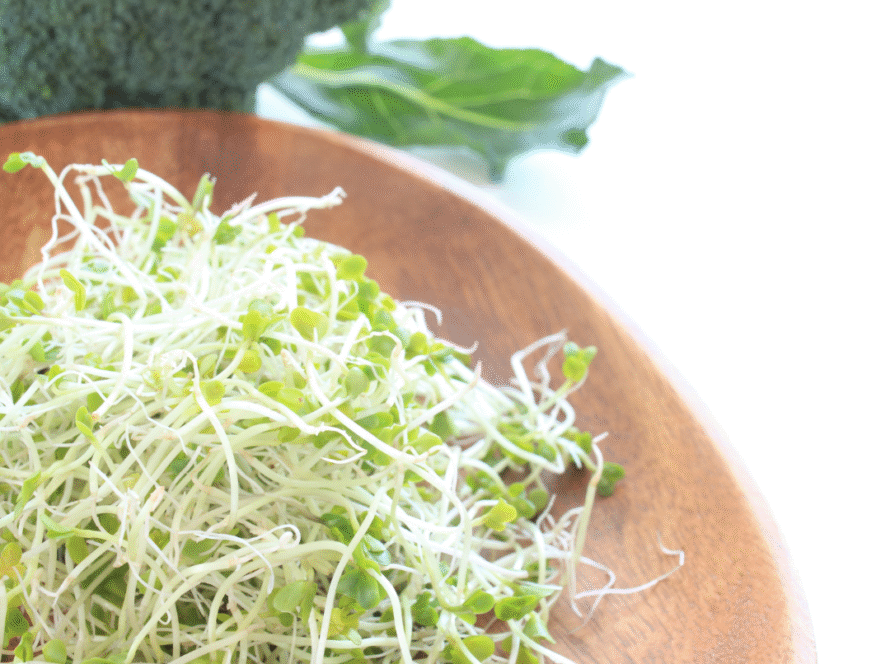
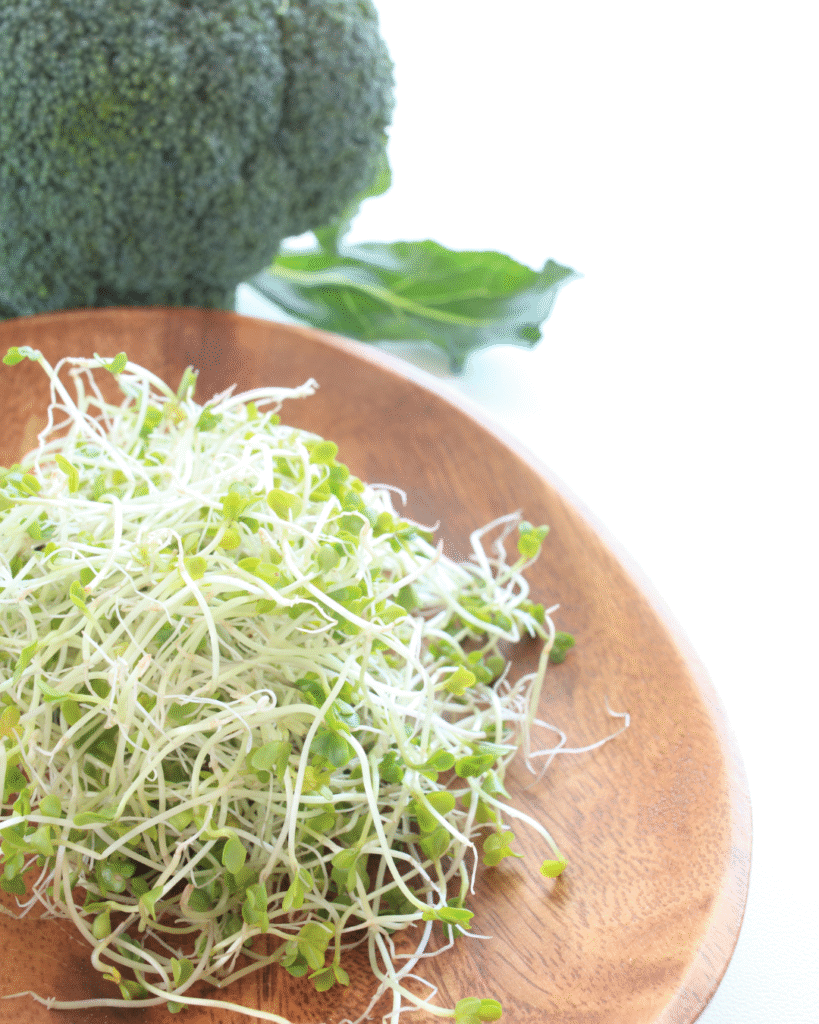
- Include regular cruciferous vegetables – brassica veg contain phytochemicals called glucosinolates, which aid in oestrogen and liver detoxification and can prevent breast and cervical cancer. Examples are cauliflower, broccoli, cabbage, rocket, kale, radish and watercress. Broccoli sprouts contain 10-100X more glucosinolates than mature plants, so try to eat ½ cup regularly ³.
How to sprout your own broccoli sprouts:
Making your own sprouts is actually incredibly easy, and a small hand-full can easily be incorporated into smoothies, on top of salads or sandwiches or as a sprinkling on top of dinner meals.
-
- Sprout in a glass jar (not plastic) with a mesh lid and black covering. Sprouting kits are available from Amazon: https://amzn.to/4jZLeFv
- Rinse 2 tbsp seeds well; place in the sprouting vessel and fill halfway with filtered water leaving them to soak (about 8 hours).
- Drain the seeds well, keep dark and place jar upside down.
- Continue to rinse and drain 2X / day.
- After a couple days, the seeds may tolerate a small exposure to light in order to develop chlorophyll (mimicking the natural growth process in the soil and then above ground).
- Sprouts are ready when you see little leaves develop (times differ, but around 3-5 days). Store upside down in the fridge inside the jar on a tray (generally keep for 2–5 days).
- Serve a small handful with breakfast bowls, on sandwiches or as a salad topper.
If you would like to find out more, contact me on my contact form and we can set up a free 15 minute discovery call:
References:
¹ Allshouse A, Pavlovic J, Santoro N. Menstrual Cycle Hormone Changes Associated with Reproductive Aging and How They May Relate to Symptoms. Obstet Gynecol Clin North Am. 2018; 45(4):613-628.
² Patel S, Homaei A, Raju AB, Meher BR. Estrogen: The necessary evil for human health, and ways to tame it. Biomed Pharmacother. 2018 Jun;102:403-411.
³ Hodges RE, Minich DM. Modulation of Metabolic Detoxification Pathways Using Foods and Food-Derived Components: A Scientific Review with Clinical Application. J Nutr Metab. 2015;2015:76068