As with many of you, growing up I always learnt that dairy was a powerhouse of goodness, packed with calcium, vitamin D and B12, and would make your bones healthy and strong. We used to live on the farm and were able to enjoy fresh raw milk, butter and cottage cheese daily. In later years, however, the narrative seemed to shift and we were then told that dairy was a huge no no, that it caused inflammation and allergies and was linked to cancer, that the dairy industry was disregarding animal welfare and I, like I am sure many of you got so confused by all the overwhelming information out there.
This is why I thought it would be a great opportunity to unpack the latest research and information and find sound middle ground. I still believe that nutrition does not have to be complicated – if we can eat the way our grandparents did – with plenty of wholesome foods, unprocessed and fresh from the farm, it can form a solid foundation to practising a healthy lifestyle. With all of this in mind, let me unpack my thoughts below:
Dairy & Hormones
Dairy milk is sourced from lactating or pregnant cows, therefore it naturally contains more hormones such as androgens, progesterones and oestrogens, leading to the question of whether these hormones have an effect on our bodies. Studies are conflicting, where one study found that the ingestion of milk raised our own oestrogen levels, which is a bit concerning, suggesting that the hormones in the milk have biologically active effects on our bodies, hormonal health and metabolism– it should be noted though that the effects were measured on the urine only, not in our blood and that excessive amounts of 1 litre per day were drunk ¹. Conflictingly, another study found that intake of dairy in fact decreases oestrogen levels in the serum, and interestingly > than 2 servings per day of cream and yoghurt could potentially increase certain hormones levels and lead to women skipping ovulation (luteinising hormone) ², further complicating the question of whether dairy is beneficial or not. Many believe that the hormones found in the milk to be too low to have an effect on our bodies.

- Dairy, Menopause & Cancer
-
A long-term nurse’s health study found that consumption of >4 portions per day of dairy had a 23% less likelihood of early onset menopause compared to women eating <4 portions per month, however the SWAN study found no benefit of higher dairy intake on menopausal bone fracture risk.³ Its important to note however, that other hormones such as bovine growth hormone and insulin growth like factor (IGF-1) are also implicated in cow’s milk, which can raise the risk of prostrate and breast cancer. IGF-1 is beneficial to calves to help boost growth, however in humans, growth of hormone sensitive cancers can be triggered, especially from sources such as whey powder and drinking milk, however this correlation was not found for yoghurt and cheese, the former which has in fact been found to lower IGF-1 and show other beneficial effects for hormone and gut health ⁴ ⁵. In another large study examining the Mediterranean diet showed that 2-4 portions of dairy eaten showed 50% less risk of developing breast cancer – probably due to Vit D intake and calcium – and these diets are of course packed with fresh healthy vegetables, fruit, olive oil and whole-grains and pulses, which all contribute to overall lowered risk of inflammation and cancer.

In summary:
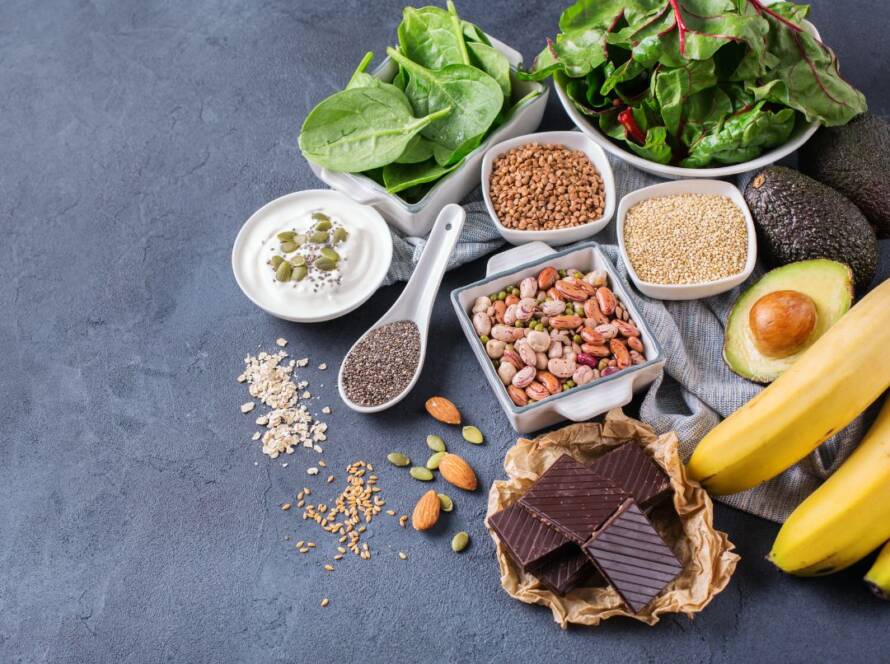
So what is my take away from this? Due to the mixed data and research out there, I still believe one should look at each person and case individually. If you suffer from inflammation and excess mucous production after eating dairy, or struggle with IBS symptoms, it’s clear you should consider alternatives such as nut milks or soy. If you are not dairy-sensitive, I do believe that 2-3 portions per day and especially form fermented sources my have health benefits that outweigh the risk, with moderation being the key word here. I do not believe in drinking excessive amounts of milk, which is high in sugar and fat anyway. However, if you’re eating moderate amounts, from organic grass-fed sources, along with a healthy balanced diet packed with fruits and vegetables, and plenty of other sources of calcium such as green leafy vegetables, nuts, legumes, almonds and sesame seeds, and opting for vegan protein powders that are artificial sweetener free instead of IGF-1 stimulating whey protein, dairy can still have a place in a healthy diet.
References
¹ Michels KB, Binder N, Courant F, Franke AA, Osterhues A. Urinary excretion of sex steroid hormone metabolites after consumption of cow milk: a randomized crossover intervention trial. Am J Clin Nutr. 2019 Feb 1;109(2):402-410.
² Kim K, Wactawski-Wende J, Michels KA, Plowden TC, Chaljub EN, Sjaarda LA, Mumford SL. Dairy Food Intake Is Associated with Reproductive Hormones and Sporadic Anovulation among Healthy Premenopausal Women. J Nutr. 2017 Feb;147(2):218-226.
³ Wallace TC, Jun S, Zou P, et al. Dairy intake is not associated with improvements in bone mineral density or risk of fractures across the menopause transition: data from the Study of Women’s Health Across the Nation. Menopause. 2020;27(8):879-886.
⁴ Fraser G, Miles F, Orlich M, Jaceldo-Siegl K, Mashchak A. Dairy Milk Is Associated with Increased Risk of Breast Cancer in the Adventist Health Study-2 (AHS-2) Cohort (P05-026-19). Curr Dev Nutr. 2019 Jun 13;3(Suppl 1):nzz030.P05-026-19.
⁵ Aperio C., Santangelo C., Pietrangelo T., Haghshenas L., Offidani L. F., Marotta F. Effect of Kefir and Soy Yogurt Consumption on Serum IGF-1 Levels in Young Healthy Women. Functional Food Science 2024; 4(1): 42-54.
⁶Aguilera-Buenosvinos I, Fernandez-Lazaro CI, Romanos-Nanclares A, Gea A, Sánchez-Bayona R, Martín-Moreno JM, Martínez-González MÁ, Toledo E. Dairy Consumption and Incidence of Breast Cancer in the ‘Seguimiento Universidad de Navarra’ (SUN) Project. Nutrients. 2021 Feb 21;13(2):687.